Spiders
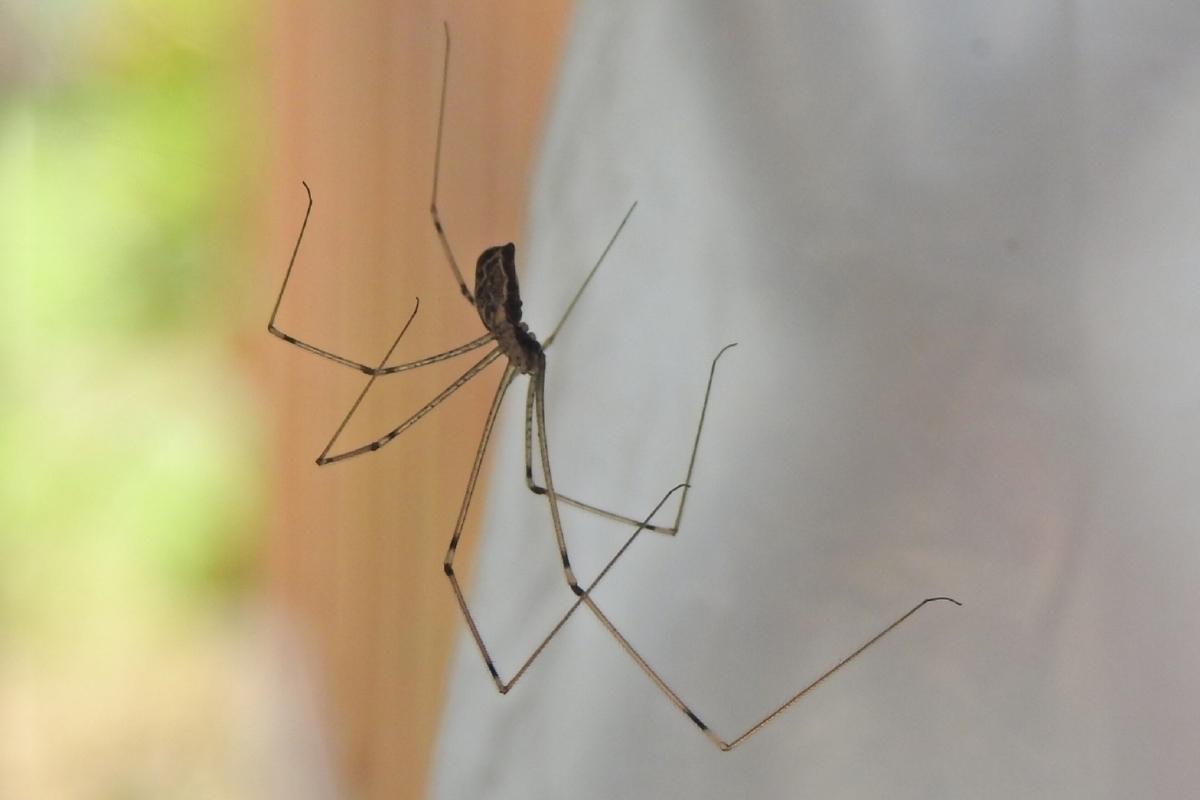
Are Spiders Harmful?
Spiders are often beneficial because they help control insect populations, but they can also be considered harmful in several ways:
- Venomous Bites – Some species, such as the black widow and brown recluse in North America, have venom that can cause serious medical issues, including pain, tissue damage, or systemic reactions. While most spider bites are harmless, some spider bites may require medical treatment.
- Allergic Reactions – Some people are allergic to spider venom, and for these people, even bites from non-dangerous species can cause severe reactions, including anaphylaxis. Additionally, spider webs and shed exoskeletons can trigger allergies in some sensitive individuals.
- Risk to Pets and Livestock – While rare, some venomous spiders can pose a threat to small pets and livestock, potentially leading to illness or even death if bites go unnoticed and untreated.
- Infestation Issues – While individual spiders are not typically a problem, certain species can reproduce quickly and become a nuisance, especially in homes, garages, and warehouses.
- Aesthetic Impact – Some spider species build large webs or nests in and around buildings, leading to aesthetic issues and requiring frequent cleaning. Their presence in large numbers can also indicate underlying insect infestations, as spiders thrive where food sources are abundant.
- Psychological Impact (Arachnophobia) – Many people suffer from an intense fear of spiders, known as arachnophobia. This fear can lead to panic attacks, anxiety, or avoidance behaviors that interfere with daily life.
Learn more: Spider Bites || What Do Spiders Eat?
Spider Removal
Eliminating spiders from a home or workplace is important for several health, safety, and psychological reasons, even though most spiders are not aggressively harmful to humans. Here’s a detailed breakdown:
- Health Risks: While many spiders are harmless, certain species, such as the black widow or brown recluse, carry venom that can cause serious medical issues. Bites may lead to pain, swelling, tissue damage, or in rare cases, systemic complications requiring medical attention. Some individuals are hypersensitive to spider bites or even spider hairs and droppings, which can trigger allergic responses ranging from mild irritation to severe reactions.
- Disease Vector Potential: Spiders themselves do not transmit diseases like mosquitoes or ticks, but their webs can trap dust, debris, and other insects, creating a breeding ground for bacteria or mold that may indirectly affect health. The presence of spiders also often indicates a larger insect infestation, which potentially involving disease-carrying pests such as flies or cockroaches.
- Structural and Property Concerns: Large populations of spiders can create extensive webs that damage walls, ceilings, furniture, or stored items, especially in rarely cleaned areas like attics, basements, or garages. Webs and droppings can stain surfaces and attract other pests, leading to more widespread infestations that compromise property hygiene.
- Psychological Impact: Arachnophobia, or fear of spiders, is one of the most common phobias. Even non-venomous spiders can cause stress, anxiety, and sleep disturbances, reducing comfort and quality of life. For businesses, visible spider infestations can create a perception of poor sanitation, affecting customer trust and employee well-being.
- Preventing Larger Pest Problems: Spiders feed on insects, so their presence often signals a higher population of other pests. Removing spiders can encourage a more proactive pest control strategy, addressing the root causes of infestations like flies, ants, or cockroaches. Regular spider control often involves sealing entry points, reducing clutter, and improving sanitation, which simultaneously prevents a wide range of other pests.
- Safety in Work or Play Areas: In environments like warehouses, schools, or recreational spaces, accidental spider contact can cause sudden reactions or injuries. Eliminating spiders minimizes unexpected encounters, particularly with children, elderly individuals, or people with allergies.
Removing spiders is not just about getting rid of an insect nuisance—it’s a preventive measure that protects health, property, and mental well-being while addressing broader pest management concerns. Effective spider control typically combines sanitation, structural exclusion, and targeted treatments for lasting results.
Learn more: How To Get Rid Of Spiders
Spider Control
Our professional spider control is a smart investment if you’re dealing with frequent spider activity, unexpected infestations, or want peace of mind that your home or business is fully protected. While some spiders are harmless and even help reduce other insect populations, others can pose health risks or create unsettling living and working environments. Here are some of the reasons to consider our professional spider control:
- Accurate Identification & Targeted Treatment: Not all spiders are the same. Some species, like the black widow or brown recluse, can deliver venomous bites with serious medical consequences. Our professionals can identify the type of spider and implement the safest, most effective treatment strategy instead of relying on guesswork.
- Reduces Health Risks: Spider bites are uncommon but can be painful, trigger allergic reactions, or in rare cases require medical attention. By eliminating dangerous species and reducing spider presence, our professionals lower the risk of accidental encounters.
- Eliminates Food Sources: Spiders are attracted to areas with abundant insects. Our professional pest control doesn’t just address spiders; it also tackles the underlying pest issues that attract them in the first place, such as flies, ants, and mosquitoes.
- Long-Term Prevention: DIY sprays may kill a few visible spiders but rarely provide lasting protection. Our professionals use integrated methods, including perimeter treatments, exclusion techniques, and monitoring, to ensure long-term control and prevent re-infestations.
- Protection for Sensitive Areas: Homes with children, pets, or individuals with arachnophobia benefit greatly from professional control. Businesses—especially restaurants, retail shops, or offices—also need spider-free spaces to maintain safety standards and customer confidence.
- Expert Knowledge of Entry Points: Spiders often gain access through cracks, gaps, and hidden spaces. Our professionals know where to look, how to seal entry points, and how to apply treatments in a way that minimizes disruption while maximizing effectiveness.
Knowing your property is spider-free—and protected from future infestations—provides reassurance that DIY efforts can’t match.
Spider Exterminators
Hiring our local exterminators instead of a national company for spider control offers several advantages, particularly when considering effectiveness, responsiveness, and long-term results:
- Expertise with Local Species: Our local exterminators are intimately familiar with the types of spiders common to the area, including potentially dangerous species like black widows and brown recluses. We understand the seasonal behaviors, nesting habits, and preferred hiding spots specific to the region, which allows for more precise identification and targeted treatment. National companies often use generalized protocols that do not account for regional variations in spider populations or behaviors, potentially reducing effectiveness.
- Customized Treatment Plans: Our local pest professionals tailor our treatments to your specific property layout, construction type, and environmental conditions. We use methods that minimize unnecessary chemical exposure while maximizing spider control, balancing safety for humans, pets, and the surrounding environment. National chains rely on standardized treatments that often overlook subtle property-specific issues, which can result in recurring infestations.
- Faster Response and Flexibility: Our local exterminators can usually respond more quickly to service requests, emergencies, or follow-ups, often within a day or two. We adapt our treatments immediately if initial measures are not fully effective. Large national companies often have longer scheduling delays and rigid service windows, slowing down the eradication process and potentially allowing spider populations to rebound.
- Knowledge of Local Environmental Factors: Factors like local climate, vegetation, construction styles, and typical prey insects influence spider populations. Our local exterminators know how to address these factors proactively. For instance, we frequently recommend changes to landscaping, moisture control, or structural gaps that are particularly relevant to your neighborhood. National chains often offer generic advice that is less applicable to your property’s specific conditions.
- Personalized Service and Accountability: Our local professionals provide direct, one-on-one service, ensuring you have a clear point of contact who understands your property and concerns. With national companies, communication is often routed through call centers, and service quality can vary widely between regions.
- Long-Term Cost Efficiency: Because our local exterminators focus on precise, targeted solutions, you often need fewer treatments over time, reducing overall costs. We take the time to inform you about preventive measures you can take to stop spiders from returning, which saves money and frustration.
- Support for the Local Economy: Choosing our local pest control team helps sustain local jobs and small businesses in our community. Our team is invested in maintaining a positive reputation in the area, which translates into higher service standards and customer care.
Our local exterminators combine deep regional knowledge, rapid and flexible service, property-specific solutions, and personal accountability. For spider control, where species, seasonal behavior, and property nuances matter, our local experts are far more effective and reliable than a national chain that relies on one-size-fits-all protocols.
Spider Solutions
Our exterminators use Integrated Pest Management (IPM) to control spiders because, while most species are harmless, they can create unsightly webs, cause anxiety for occupants, and, in some cases, pose a health risk through bites. IPM begins with a thorough inspection to identify areas of spider activity, entry points, and environmental factors that attract them, such as abundant prey (insects), cluttered spaces, moisture, and sheltered corners. Management strategies focus on habitat modification by reducing insect populations, eliminating clutter, sealing cracks and gaps, improving ventilation, and minimizing moisture to make areas less hospitable for spiders. Physical controls, such as web removal, sticky traps, and exclusion devices, are used to monitor and reduce populations, while targeted insecticide applications are applied selectively only in areas of high activity. Ongoing monitoring allows our exterminators to track activity, evaluate the effectiveness of treatments, and prevent reinfestation. By combining inspection, habitat modification, selective control, and monitoring, IPM provides a long-term, environmentally responsible, and effective approach to managing spider populations.
What Do Spiders Look Like?
Spiders exhibit a wide range of appearances due to the vast diversity of species, but they share some common characteristics that help distinguish them from other arachnids and insects. Here's what spiders generally look like:
- Body Structure: Spiders have two main body parts: the cephalothorax (head and thorax combined) and the abdomen. Their bodies are covered with a hard exoskeleton. Most species have a distinct, narrow waist called the pedicel that separates the cephalothorax from the abdomen.
- Legs: Spiders typically have eight long, jointed legs attached to the cephalothorax. These legs are often covered in fine hairs and may vary in length among different species.
Eyes: Spiders can have multiple eyes, often arranged in various patterns depending on the species. Some spiders have excellent vision, while others rely more on other senses like touch and vibrations. - Mouthparts: Spiders have specialized mouthparts called chelicerae, which may include venomous fangs used for hunting and defense.
- Silk-Producing Structures: Most spiders possess silk-producing glands located in their abdomen. They use silk for building webs, creating egg sacs, and other purposes.
- Coloration: Spider colors vary widely and can include shades of brown, black, gray, and various patterns such as stripes, spots, or vibrant colors, depending on the species.
- Size: Spider sizes can range from a few millimeters to several inches, with some of the largest spiders, like tarantulas, being quite substantial.
- Variation in Adaptations: Spiders exhibit an array of adaptations based on their lifestyles. For example, orb-weaving spiders are known for their circular, intricate webs, while wolf spiders are typically robust and well-camouflaged ground hunters. Jumping spiders are often characterized by their compact bodies and impressive leaping abilities.
Not all spiders look the same, and their appearances can be highly specialized to suit their ecological roles. Some spiders are masters of camouflage, while others may display warning colors to deter predators. Understanding the specific characteristics of a spider can often be essential for identifying its species and behavior accurately.
Where Are Spiders Found?
Spiders can be found in a wide range of environments, but they tend to thrive in areas that provide shelter, food (insects), and a stable climate. The most common places where you are likely to encounter spiders include:
Inside Your Home:
- Basements & Crawl Spaces – Dark, damp, and rarely disturbed, making them ideal hiding spots.
- Attics & Storage Areas – Cardboard boxes, old furniture, and clutter provide shelter.
- Corners & Ceilings – Spiders build webs in room corners, behind furniture, and near windows.
- Bathrooms & Laundry Rooms – Moisture attracts certain spider species.
- Garages & Sheds – Dark spaces with little activity attract spiders looking for insects.
Outside & Around Your Property:
- Porches, Decks, & Patios – Spiders build webs near lights to catch flying insects.
- Gardens & Shrubs – Overgrown vegetation, mulch, and woodpiles provide hiding spots.
- Woodpiles & Stacked Items – Common places for spiders like the brown recluse to hide.
- Eaves, Roof Overhangs & Gutters – Web-building spiders often set up in sheltered outdoor areas.
- Under Rocks, Logs, & Debris – Ground-dwelling spiders seek out these hiding places.
If you're trying to prevent or control spiders, reducing clutter, sealing entry points, and keeping areas clean and dry can help minimize their presence.
Learn more: What Attracts Spiders Into Your Home? || Do Spiders Fly?
Spider Life Cycle
The life cycle of spiders typically consists of several stages, from egg to adult. While there can be variations among different spider species, the following is a general overview of the life cycle of spiders:
- Egg Stage: The life cycle begins with the laying of eggs by the female spider. The eggs are usually enclosed in a silk sac, which may vary in size, shape, and color depending on the species. The female spider may guard or protect the egg sac to some extent, especially in species with maternal care.
- Spiderling Stage: After an incubation period, spiderlings hatch from the eggs. Spiderlings are tiny and undergo several molts to grow. These early stages are also known as instars. Spiderlings usually emerge with all their legs and body parts but are underdeveloped compared to adult spiders.
- Juvenile Stage: As spiderlings grow, they continue to molt, shedding their exoskeleton to accommodate their increasing size. The number of molts varies depending on the species. During this stage, the spiders develop more adult-like features and may begin to display species-specific behaviors.
- Sub-Adult Stage: After several molts, spiderlings progress to the sub-adult stage. They become more recognizable as miniature versions of adult spiders, with complete sets of legs and other characteristic features. At this point, they may also start displaying behaviors related to hunting and web-building, depending on their species.
- Adult Stage: Once a spider reaches maturity, it is considered an adult. Adult spiders are typically fully developed and capable of reproducing. Adult spiders engage in mating, and females may lay eggs to initiate the next generation's life cycle.
- Mating and Reproduction: Mating involves complex courtship rituals and behaviors, often including the transfer of sperm from the male to the female. The specifics of mating can vary greatly between spider species. After mating, the female may produce one or more egg sacs, each containing a batch of eggs. The female may provide some level of care for the eggs and spiderlings, which can include guarding the egg sac or even carrying spiderlings on her back in some species.
- Lifespan: Adult spiders have a limited lifespan that varies depending on the species. Some may live for a few weeks, while others can live for several years. Once they reach the end of their lifespan, adult spiders will die, often after producing and caring for the next generation.
The duration of each life stage, the number of molts, and the specific behaviors can vary significantly among spider species. Some spiders have more complex life cycles and behaviors, while others have simpler ones. Understanding the life cycle of specific spider species is crucial for researchers and enthusiasts interested in studying them in more detail.
Types of Spiders
Hear From Our Happy Customers
-
"Professional & Considerate"
I’m pleased with Miche services. Jarvis came today. Professional and considerate. Thank you!
- Judy B. -
"Great Communication"
Tech was on time, communication was great, and he accommodated my needs.
- Alonzo W. -
"Wonderful Service"
Wonderful service. Jarvis is great. Took care of everything I needed. Thank you!
- Henry P. -
"Very Knowledgeable"
The tech that arrived was courteous, professional, and very knowledgeable. He was Great.
- Uerial I. -
"Fantastic & Patient"
Jarvis was fantastic and patient. He answered my questions with an in-depth explanation and addressed all of my areas of concern. Would love for him to be my assigned tech going forward. Well done!
- Yonnette M. -
"Exceeds Expectations"
I can’t say enough positive things about this company... The tech that came out, Jarvis went above and beyond my expectations. Thank you guys, I will continue using your services.
- Jake M.